The Only Right Decision is to Grow
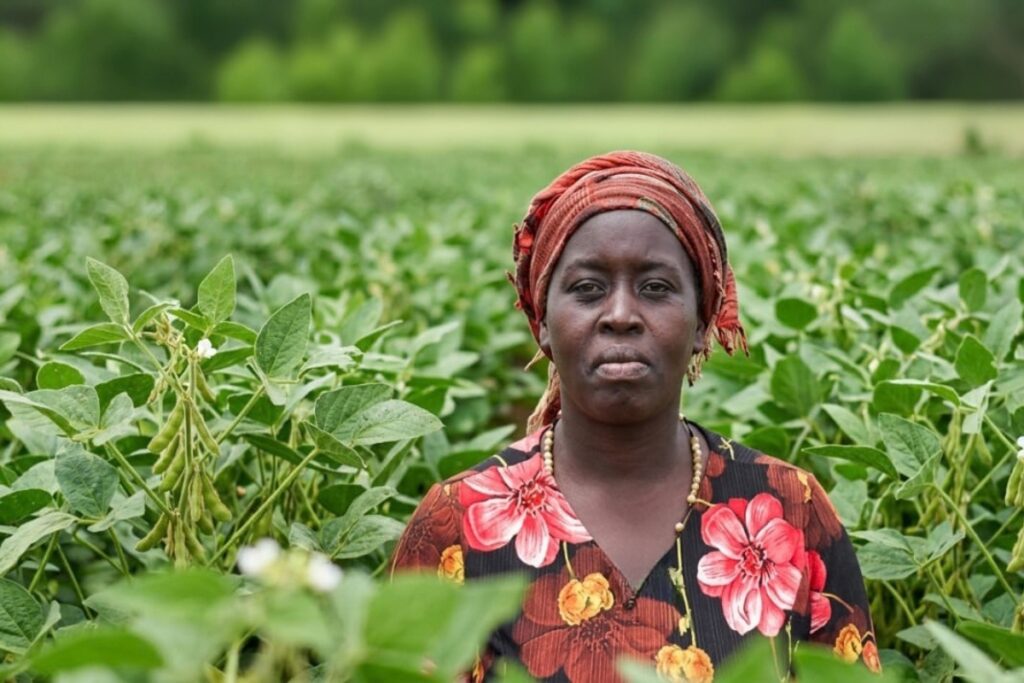
Connected to a value chain, Francesca became one of the fastest-growing soybean producers in her village.
Africa
October 19, 2026
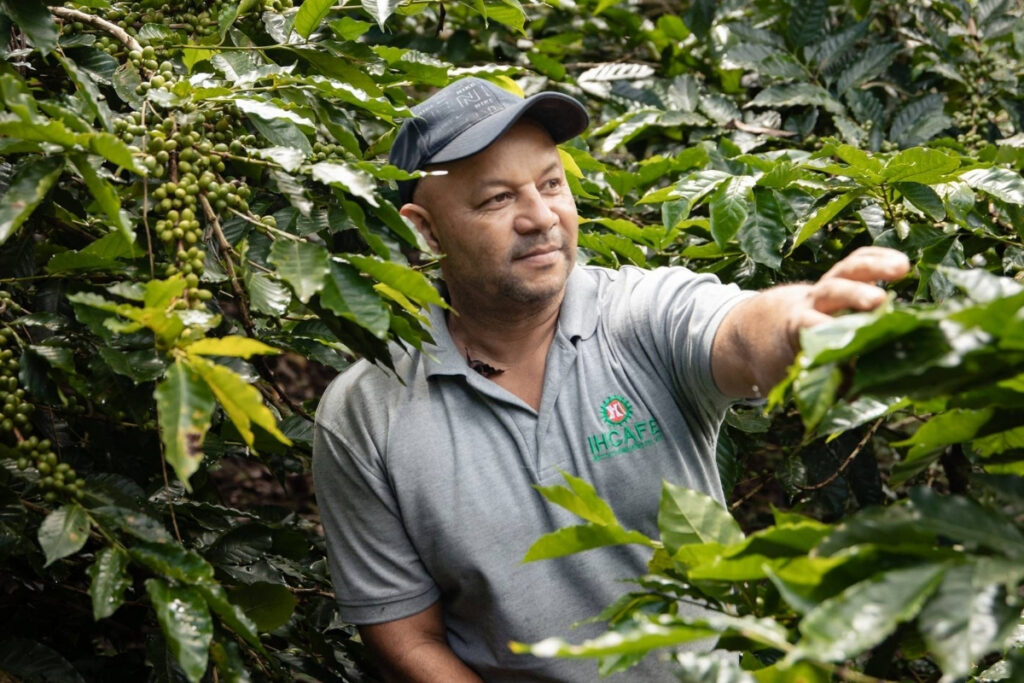
Juan’s leadership revitalized local coffee production.
You’re a coffee farm in eastern Honduras, nestled beneath cloud forests atop the Sierra de Agalta mountain range. You smell of wet earth and sunshine. Blind worms inch past plunging roots, tickling you. A refreshing breeze skims overhead; you watch the trees sway and listen to the leaves rustle.
You’re a coffee farm in eastern Honduras, and something is wrong. You’ve been seeded with old coffee varieties—varieties that get diseased easily and aren’t wanted by international markets. And the methods used to cultivate you? No fertilization, no plan, just waiting for growth.
Your last harvest was of poor quality, and your farmers are growing discouraged. They rise at 4:00 in the morning and work until 8:00 at night—but for all their hard work, they’re not earning enough to provide for their families. Without international markets, they have no option but to sell their beans in-country for less than the cost of production.
You’re a coffee farm in eastern Honduras, and nobody wants anything to do with coffee anymore. In the distance are barren hills, completely stripped of everything green. People in your community are giving up.
Some, like Juan, made the hard choice to leave for the United States. At 27 years old, he left his wife behind and traveled north in search of a better life. But in the U.S., Juan was taken advantage of, at times working for months without pay until he finally returned to Honduras three long years later.
The grandson of coffee growers, Juan had purchased his own farm during his stay in the States. Next, he needed technical assistance to turn his field into a proper commercial enterprise.
He spent nearly four years traveling to and from the Honduran National Coffee Institute, becoming an expert in everything from flavor notes (bitter, salty, acidic, sweet) to modern production methods.
As a result of his diligent management, Juan began to produce the best coffee in the area. At a time when coffee was selling for 15 lempiras per pound, Juan sold his for 40. People began to take notice.
“What a farm this guy has!” they remarked. “How does he manage to have a place like that?” Other people, seeing what he had accomplished, would tell him, “I want to be like you someday.”
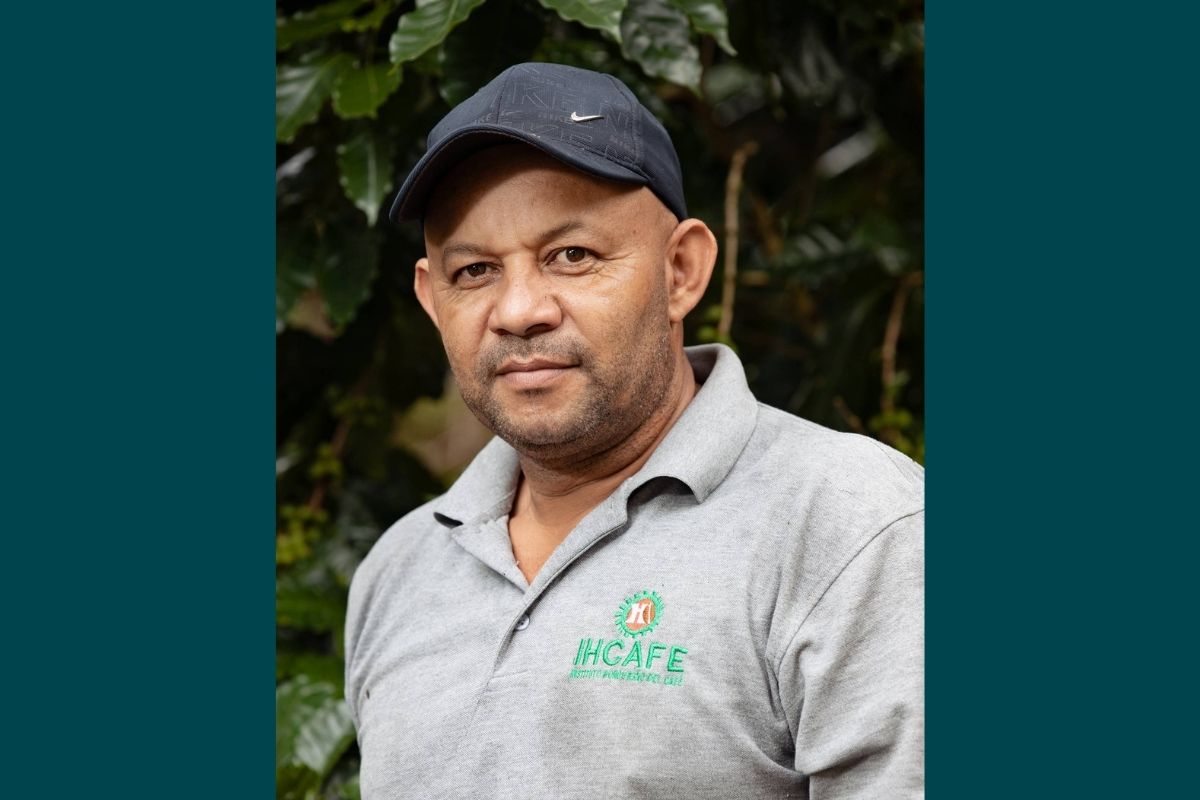
Did Juan keep his knowledge to himself? No—he wanted to help solve the problems that threatened his community.
Juan joined forces with Elevar, a local partner of Partners Worldwide, to help teach local farmers to improve the quality of their harvests. “I’ve been so transparent,” Juan said. “I show them, ‘Look, I do this and that, and I get this benefit—this result.’”
When he started farming, Juan’s first harvest was 400 pounds. His most recent harvest was 2,900. Talk about results!
You’re a coffee farm in eastern Honduras, watching as a local leader rises to solve real problems in his community. Farmers are not only producing more coffee, but better coffee. And because of it, they’ve been able to reach international buyers who pay more for quality beans.
You feel footsteps atop your nutrient-rich soil. A familiar hand. It’s Juan. One of his passions is to watch your trees move in the wind; another is to taste coffee from his farm, knowing it’s high quality.
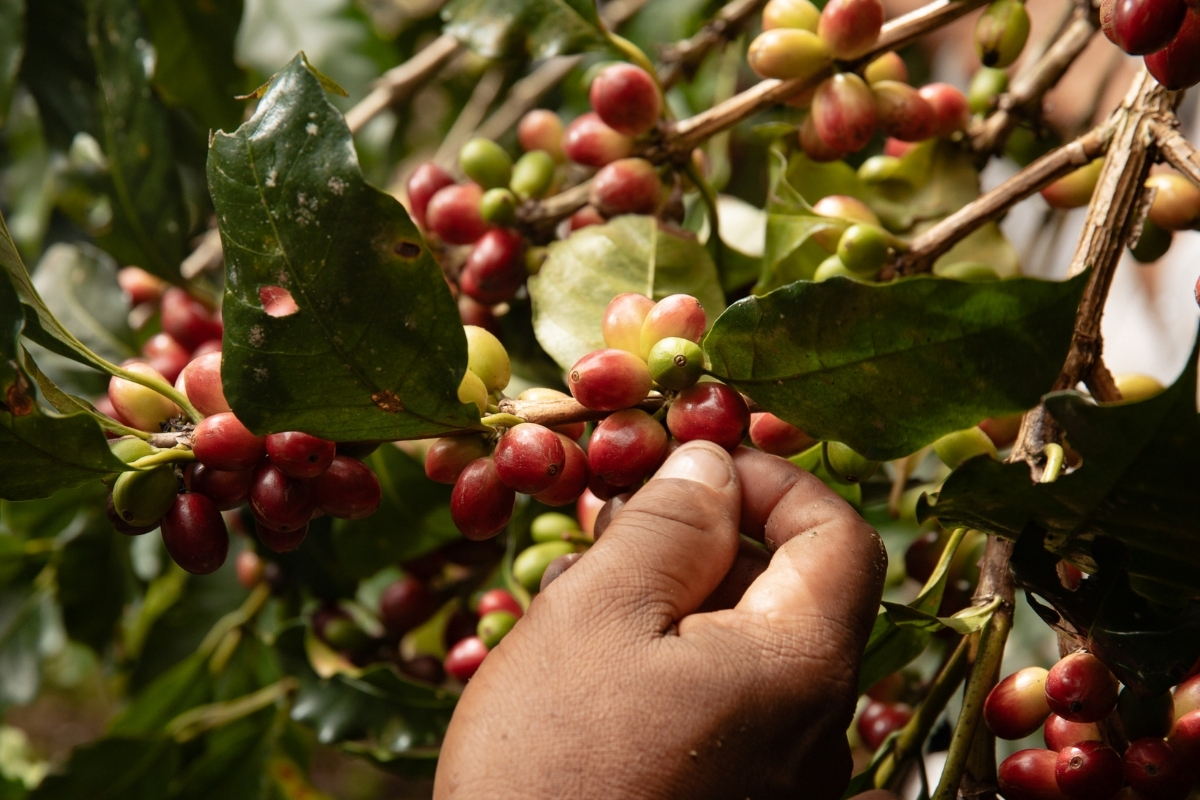
You’re a coffee farm in eastern Honduras and you feel proud to play a part in this community’s rejuvenation. As Juan stands there, you hear him say something.
“This is our light, our way forward.”
He’s talking about you.