Bridging the Gap
A partnership in Ghana connected two organizations so that they could create an ecosystem of change in their communities.
Africa
November 16, 2026

Give someone a fish and you’ll feed him for a day. Train an entrepreneur to grow their business and you’ll feed a whole community.
“I've been able to realize that my business is also a ministry. As an entrepreneur I'm also a marketplace minister and my business should be used as a tool to worship the Lord."
Capital might help a business grow, but capital alone is not enough. That’s why Partners Worldwide (PW) invests more than money, but also in relationships, accompaniment, and shared learning to create results that funding alone cannot achieve.
Training plays a key role in our theory of change. To date, we have eight different curricula (including Microenterprise, GRIT, and Redemptive Business), and conduct trainings in nearly 40 countries. This past year, over 7,000 participants graduated from our micro, small, and medium sized business trainings—and over 17,000 graduated from our agriculture training!
Training participants—the entrepreneurs—are trained by business trainers, who are in turn trained by master trainers—the trainers of trainers. This system of training trainers equips our partners across the globe to sustainably conduct their own trainings, regardless of PW’s presence.
But why training? Why is it so important to our theory of change?
Consider this: What use is access to capital if you don’t know where to spend it? Or access to markets if you’re selling for less than the cost of production? What if you never learned to separate business and personal expenses—and end up losing all your family’s finances?

“Training can help someone develop better habits around planning, managing money, solving problems, and evaluating opportunities,” said Carmen Morris, a PW curriculum trainer based out of New Jersey. “I became a trainer because I wanted to help others make better informed decisions and avoid the mistakes that cost me time, money, and at times confidence. My goal is to help people become more capable of making their own decisions. Learning a business tool is valuable, but understanding when, why, and how to use it, gives them the ability to execute with ease.”
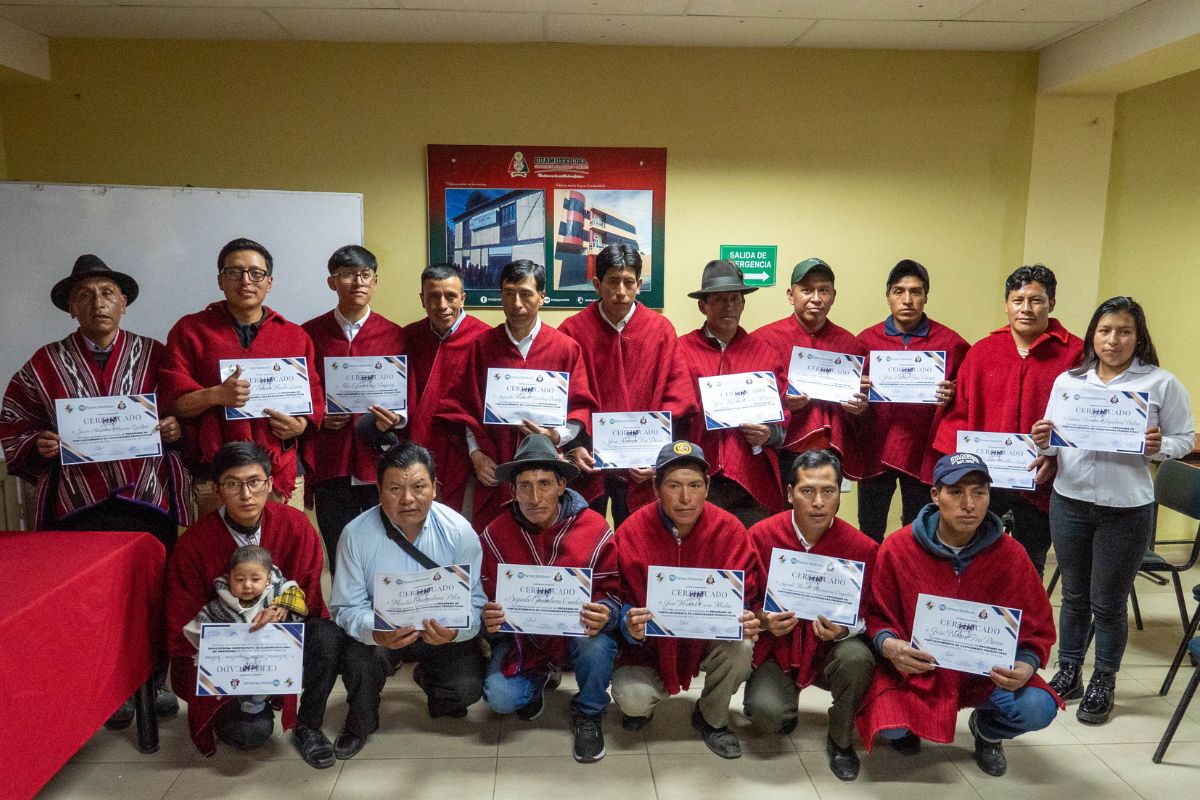
“Training causes transformation,” said Arnaud Muphimundu, Access to Knowledge Accelerator. “Entrepreneurs go from thinking ‘this is the only way I can feed my family’ to ‘this is what God is calling me to do.’”
We know that entrepreneurs are called to business, just as ministers are called to the pulpit. For many businesspeople, training is their first time encountering this truth—and it’s eye opening. “I never thought that entrepreneurship was actually God’s calling," said Sitav from Cambodia.
“When someone discovers who God says they are and their purpose in life, it’s worth more than any practical skill,” said Morris. “When people get to ask questions, challenge assumptions, and recognize that they are not alone in the difficulties they face, they stand firm on their commitment not only to themselves but also to their calling.”
Our trainees are often keen to pass on what they have learned, causing a ripple effect of change in their communities. “They want to help others grow, too,” said Stephen Sebastian, one of our long-term trainers in Indonesia.
For some, this is informal, mentoring their employees on the job site or serving as examples to those in their community. Others choose to take things a step further, becoming trainers themselves.
These ripple effects are just one of the many lasting effects of training. Another lasting effect? Entrepreneurs who’ve grown their businesses, created jobs, and helped lift their communities out of poverty.
Read more stories of entrepreneurs who unlocked new potential through training.