Bugs, Books, and Birds
Florence used fly larvae to solve problems in her community
Africa
August 31, 2026
Three lessons we’ve learned from nearly 30 years of experience building partnerships
Partners Worldwide has been building partnerships since 1997, so we know a thing or or two about learning from our mistakes. Here are three examples of when we grew smarter and stronger after failing, as seen through the eyes of Jeremiah Yongo—Co-Director of Global Operations.
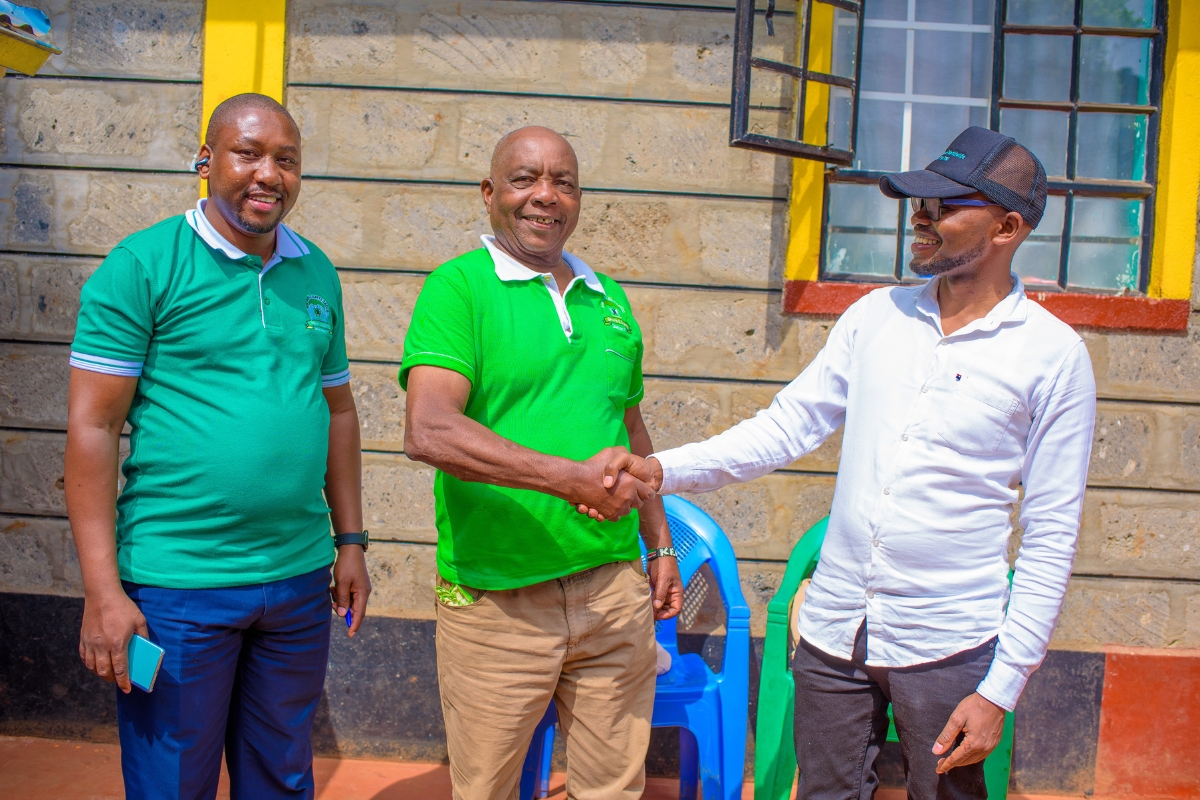
When Partners Worldwide began to envision rolling out or work in Nigeria, we realized there was no locally led institution that we could partner with. So, what did we do?
We tried to create one.
“The identity between PW and the local partner we had created became blurred,” Jeremiah reflected. “It was like we were one and the same. And because of that, there was no local leadership. There was no local drive.”
The unintended consequence of this was the delay in emergence of other partnerships in Nigeria. It took quite a while to break that mold—and by the time we had learned our lesson, we had lost at least seven years of growth.
We learned that we must come alongside a local partner and help them to fulfill their vision to catalyze economic flourishing in their community through business. Not leading, not directing, but just catalyzing the movement.
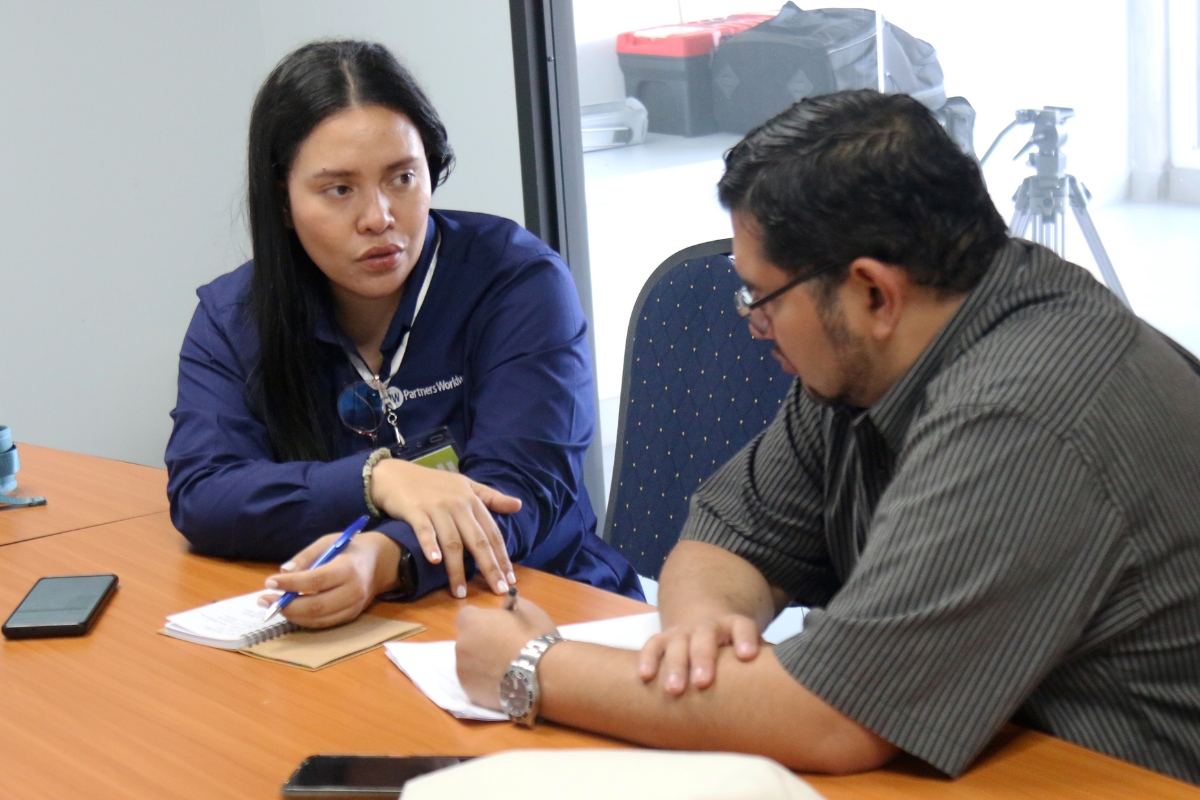
Tell me if you’ve seen this one before: a missions trip or charitable organization flies into a community, armed with the perfect solution to their challenges. It’s a solution from the outside—and as such, it fails to make a sustainable, lasting impact.
Yeah, we’ve made that mistake. Take this instance from the Africa network.
On one side, we had a team of volunteers who were passionate about supporting small-holder farmers. And on the other side, we had a situation where there was a great need: small-holder farmers coming out of a war environment who really needed support. It was a perfect match, and we were excited to put this team to work.
We started a grain storage facility to help these farmers avoid post-harvest loss, sell when prices appreciated, and use the profits to build their capacity. But because there was no local ownership, the whole thing crumbled a few years later.
The irony is that just a few miles away, there was already a business system doing the very same thing.
“If only we had looked, if only we had asked questions, if only we had sought the local presence, we could have avoided all that hardship,” Jeremiah said. “But it’s God's blessing that that failed, because he forced us to go look for local ownership, local drive, local initiative. And we just put them together.”
Now, this relationship is one of the most impressive business ecosystems in our Africa network. There’s a local partner financing small-holder farmers, there’s a company that's producing high-quality seeds that the farmers need, and there’s a market that is purchasing all that the farmers are producing. It’s a group of partners all working in concert. That’s an ecosystem.
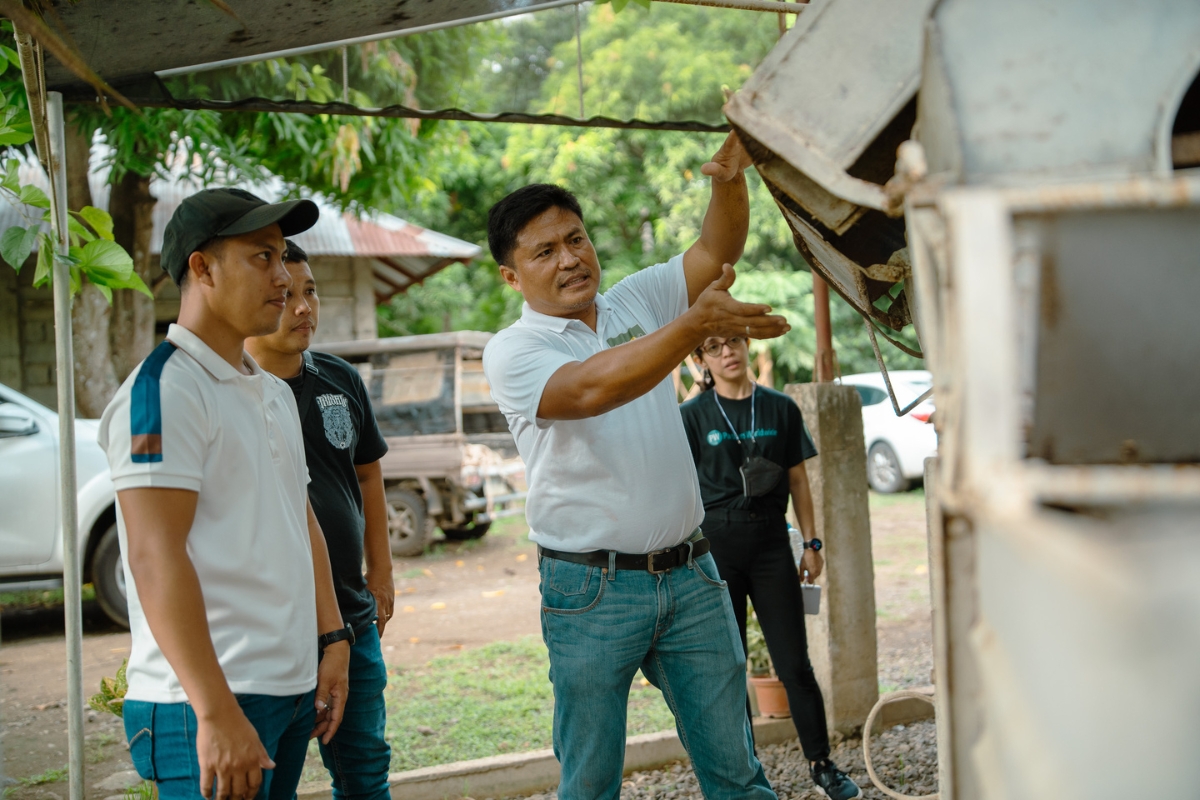
Another story from west Africa:
“We had a BA team connected to a local institution led by a visionary leader,” Jeremiah recalled, “one of the most visionary entrepreneurs we have come across. A resilient guy, a war refugee starting from zero, who’s now the biggest rice business owner in the country.”
There was a time that this business had a problem with its rice mill, and in the true spirit of partnership, this local business leader and the BAs sat together to brainstorm a solution.
The BA team wanted to procure the parts from one source, and the local leader said, “I see the point of view of the BAs, but I think that is the wrong direction to go. I really, really think that we should procure this equipment from this other source. Trust me on this.”
The BAs deferred to the local leader even though they disagreed—and sure enough, he was proven right.
It doesn't always turn out that way, but in this case, it's a strong illustration of the expertise or local leaders and how it’s our job to come alongside them with a spirit of listening, support, and encouragement.
These are just three examples from nearly 30 years of trial, error, and growth. Over the years, we’ve come to understand what it means to be a partner, and the results speak for themselves: we’ve doubled our impact in just three years (2022-2025). And we’re positioned to empower even more redemptive entrepreneurs to transform their communities.
We can’t wait to see where the next 30 years take us.