Locally Rooted: The Key to Lasting Transformation in Haiti
“We cannot wait for others to solve our problems.”
Latin America + Caribbean
August 17, 2026
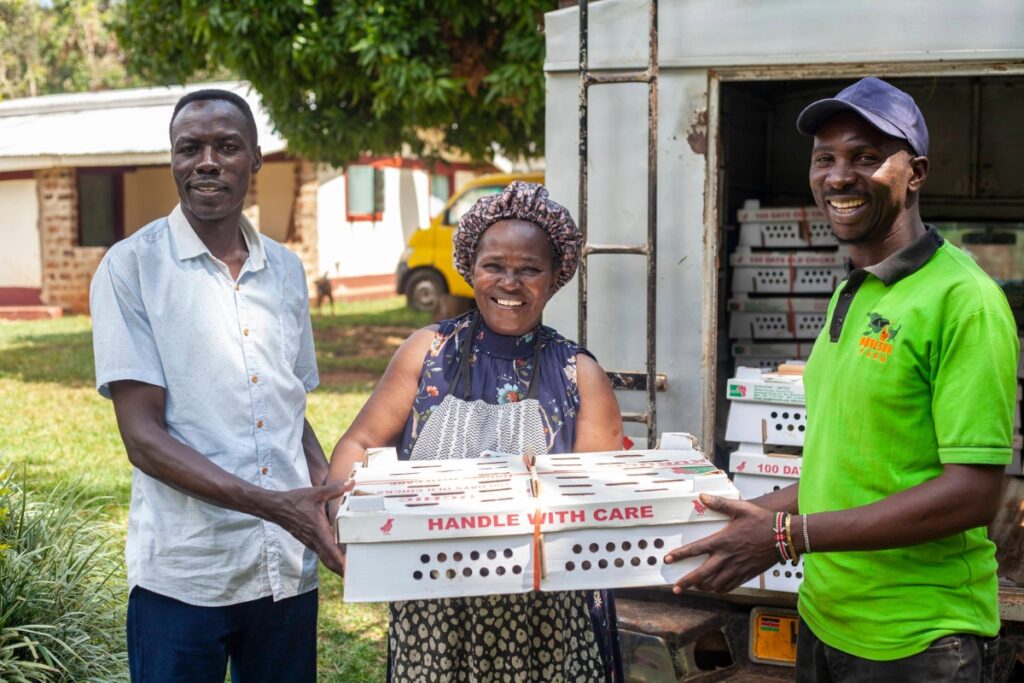
Florence used fly larvae to solve problems in her community
Like all entrepreneurs, Florence was a problem solver. So when she recognized that people in her west Kenyan community struggled to find dignified employment, Florence knew she wanted to be a part of the solution.
For years, Florence and her husband—a bishop—had addressed the spiritual needs of their community through ministry. Now, she wanted to address the need for education.
Florence opened a school to provide quality schooling to more than 100 local children, from pre-K through elementary. What’s more, her school provided employment opportunities to 16 people including teachers, administrators, cooks, and drivers.
But her most unexpected opportunity was yet to come.
A long-time farmer, Florence had gotten support from Springs of Life, a local partner of Partners Worldwide in Western Kenya, to establish a poultry business. Training in business and poultry farming, plus a supply of day-old chicks, helped Florence get started and begin creating more jobs for people in her community.
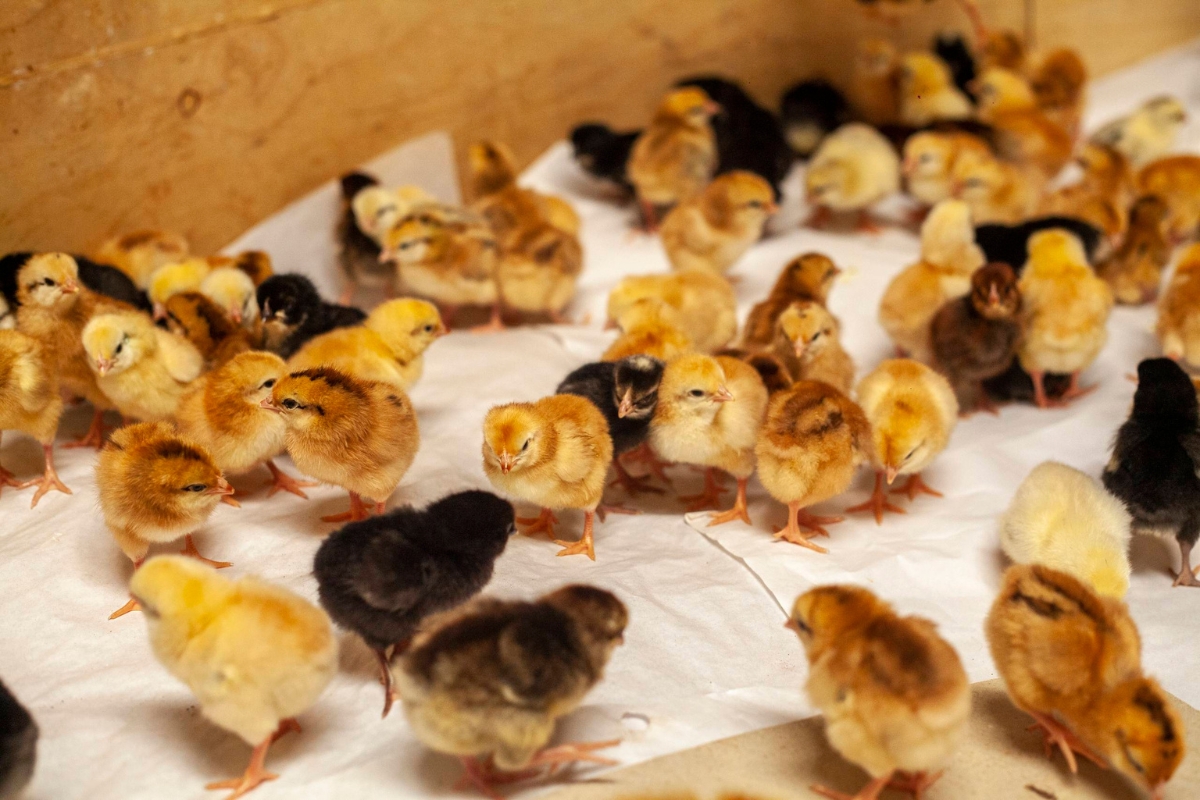
But when she struggled to afford the rising cost of chicken feed, Florence didn’t see an obstacle—she saw an opportunity to prove that farming can be a dignified, sustainable means of providing for families. Youth across Africa were increasingly disinterested in farming, which carried the stigma of being unprofitable. Studies have estimated the average age for a farming family in Africa to be more than 60.
Determined to serve as a practical example for others in her community, Florence drew on the problem-solving skills and innovative mindset she developed during business training. She began testing an alternative form of feed: fly larvae.
Protein rich, Black Soldier Fly Larvae (BSFL) is an ideal feed source for poultry, fish, and pigs. The egg-laying flies are attracted to food waste. And as their larvae multiply and much away, they reduce the waste into plant fertilizer! It’s a low-cost, low-labor production cycle that nets farmers multiple benefits.
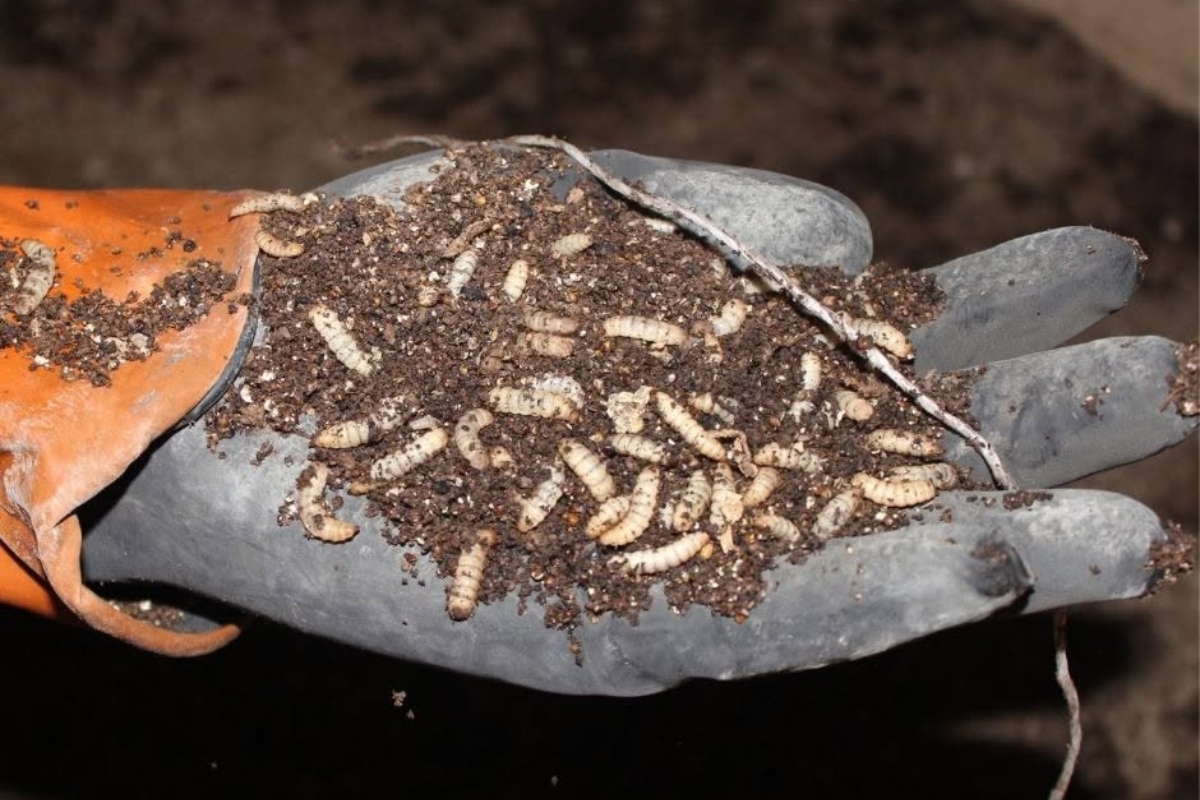
Florence began cultivating her own larvae and feeding them to her chickens. Her birds began to show stronger immunity, produce larger eggs, and experience extended laying periods beyond what was expected.
And her community took notice. Because of Florence’s example, they were able to overcome financial challenges and recognize the potential of agriculture.
That’s the power of an entrepreneur—identifying problems and addressing them through schooling, job creating, and agricultural innovation.