Bridging the Gap
A partnership in Ghana connected two organizations so that they could create an ecosystem of change in their communities.
Africa
November 18, 2026
Training opens doors—and equips entrepreneurs with lasting knowledge.
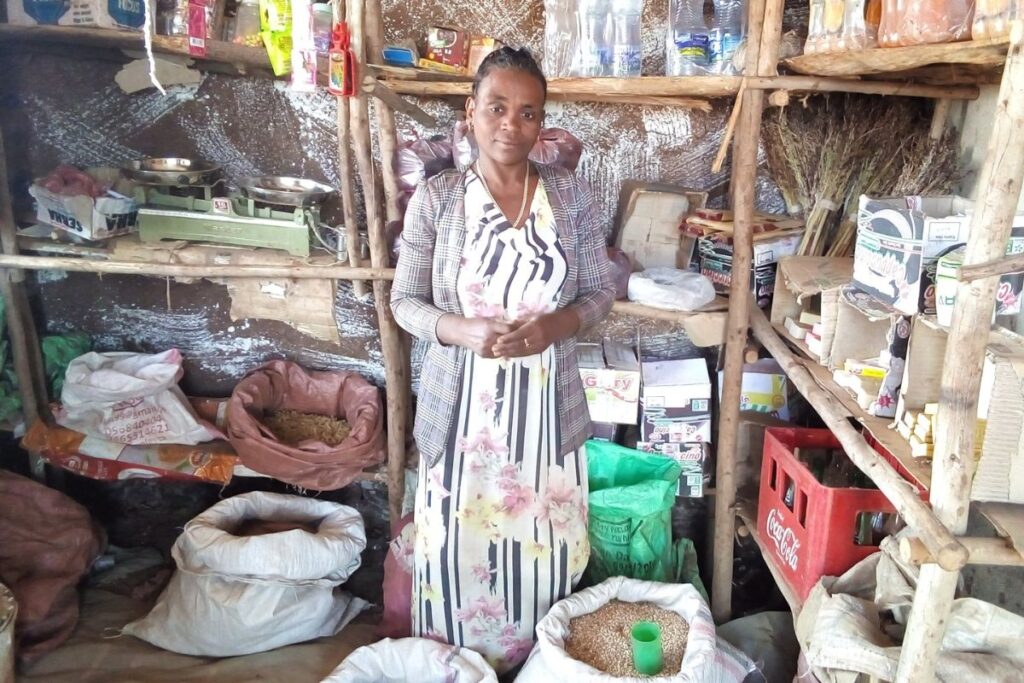
Zenebech, her husband, and their six children lived in Gununo, a rural town in southwestern Ethiopia. Zenebech sold butter in the local market, but her business was unprofitable. Meeting her family’s basic needs was a daily struggle. Without access to credit—formal or informal—she didn't have the means to improve her business.
But her challenges weren’t just economic. Socially, she lacked the confidence to express her thoughts in front of men or large groups. This immense fear left Zenebech without a say in her community.
Our network partners saw Zenebech's vulnerability—and her determination. They encouraged her to join a local Self-Help Group (SHG). SHGs empower women through group savings, loans, and peer support.
Zenebech was hesitant to join until she heard the success stories of local women. When she witnessed how they had transformed their lives, Zenebech decided to join. A SHG was more than a way to save money, she realized: it was a symbol of resilience.
Within the SHG, Zenebech found a community of women connected by a common purpose: helping one another grow.
Through the SHG’s training programs, she learned about business development, disaster risk reduction, and gender-based violence (GBV). That's because the group wants to uplift members in every aspect of their lives. It's all about having autonomy—economically, physically, and relationally. Group members learn how to protect themselves and seek support if necessary. And by growing more economically secure, members in abusive situations can break free. They're no longer reliant on an abusive partner. They have the option, if necessary, to leave.
As the women grow their collective savings, each one of them benefits from the larger pool of money they can borrow from, including women leaving abuse.
As the saying goes, “a rising tide lifts all boats.”
What Zenebech learned was inspiring, eye opening, and life changing. She realized that her butter business was unprofitable. Looking at the data, it was unlikely that this business would ever succeed.
Zenebech strategically pivoted, launching a cereal and grain business. She borrowed 500 ETB ($3) from the SHG to source inventory locally from Gununo—meaning no more travel costs. And once she had repaid the first loan, Zenebech borrowed an additional 3,000 ETB ($18) to further expand her stock.
Every day is an opportunity for Zenebech to apply her new skills. She practices maintaining proper records, improving management, and saving both time and money. Based out of her home, she sells her products in various district markets. Looking forward, she plans to open a major commercial store in Gununo town.
When you invest in entrepreneurs like Zenebech, you aren’t just equipping them with capital. You’re investing in communities of support, in the relationships that are built to last. And you’re investing in knowledge. The knowledge to launch a business, nurture it with confidence, and run it with efficiency. With that knowledge comes agency, and from agency, leadership.
That’s what your investment means: entrepreneurs are equipped to become leaders in their households, churches, and communities. You can stand alongside these leaders by making a gift today at partnersworldwide.org/builders.