Bridging the Financial Divide
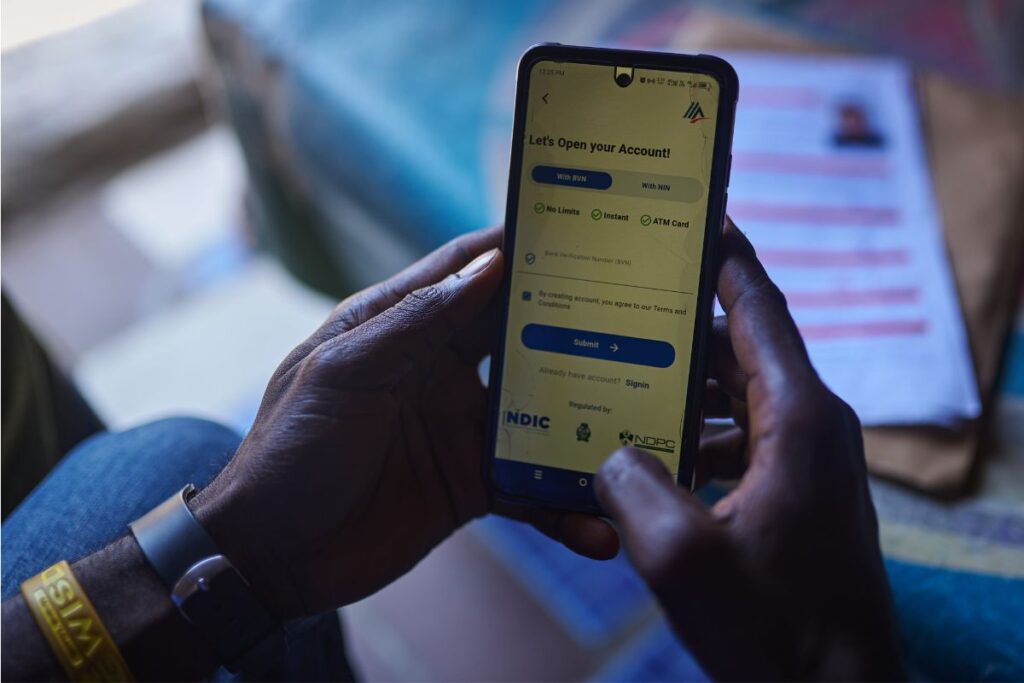
PEAK is equipping rural entrepreneurs with digital banking.
Africa
October 12, 2026
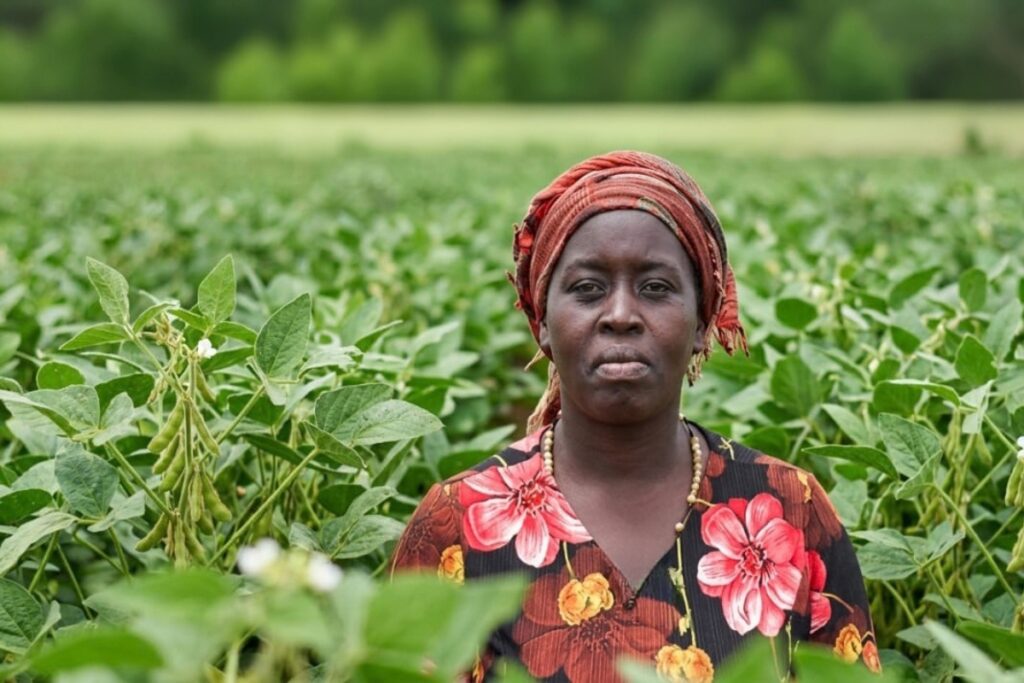
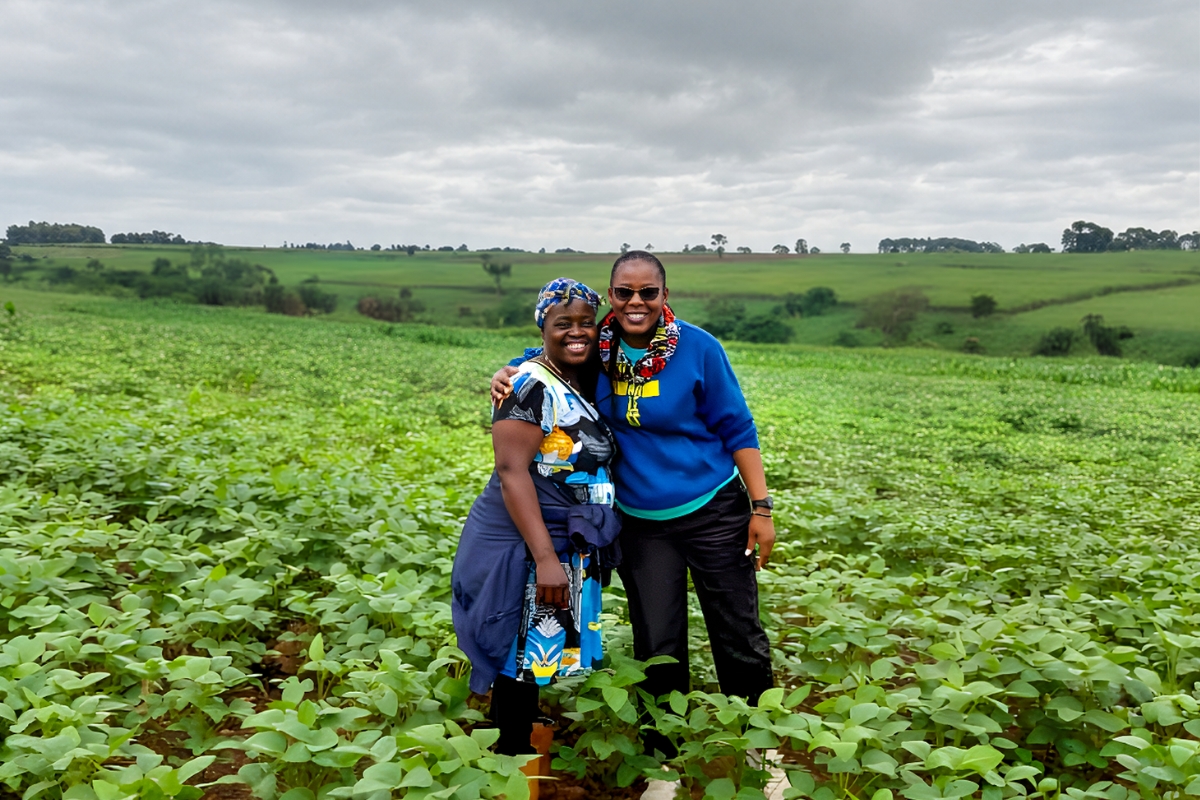
Connected to a value chain, Francesca became one of the fastest-growing soybean producers in her village.
Once again Francesca returned from the market with less than she had hoped for. The money she had earned selling her soybeans was hardly enough to put food on the table, let alone pay tuition fees on time. And if there was another health scare… Francesca didn’t know what to do.
She, her husband, and their six children lived in Kinuma, a rural village in western Uganda where most households cultivated small, rain-fed plots of corn, yuca, or soybeans.
Unable to afford quality seeds, Francesca’s soybeans were of an inconsistent quality. And without support, she managed pests and disease by instinct rather than knowledge. To make matters worse, she didn’t have a guaranteed buyer for her crop. Rather than risk harvest loss as she haggled over prices, Francesca often sold to the first person to make an offer, hoping it was enough. But it often wasn’t.
This spiral made it impossible for Francesca to consistently provide food for her family, pay school fees on time, meet healthcare expenses, and reinvest in her farming enterprise.
Things changed when Francesca learned about a group of partners who could equip her with the tools she needed to transform her farm and her life. Partners Worldwide helped bring these three key partners—ENCOT, Soybean Africa, and Mount Meru—together to form a value chain. Through this ecosystem, farmers like Francesca gain access to the financing, inputs, technical support, insurance, and markets they need to lower risk as a producer, accelerate sustainability, and create opportunities that no single partner could unlock alone.
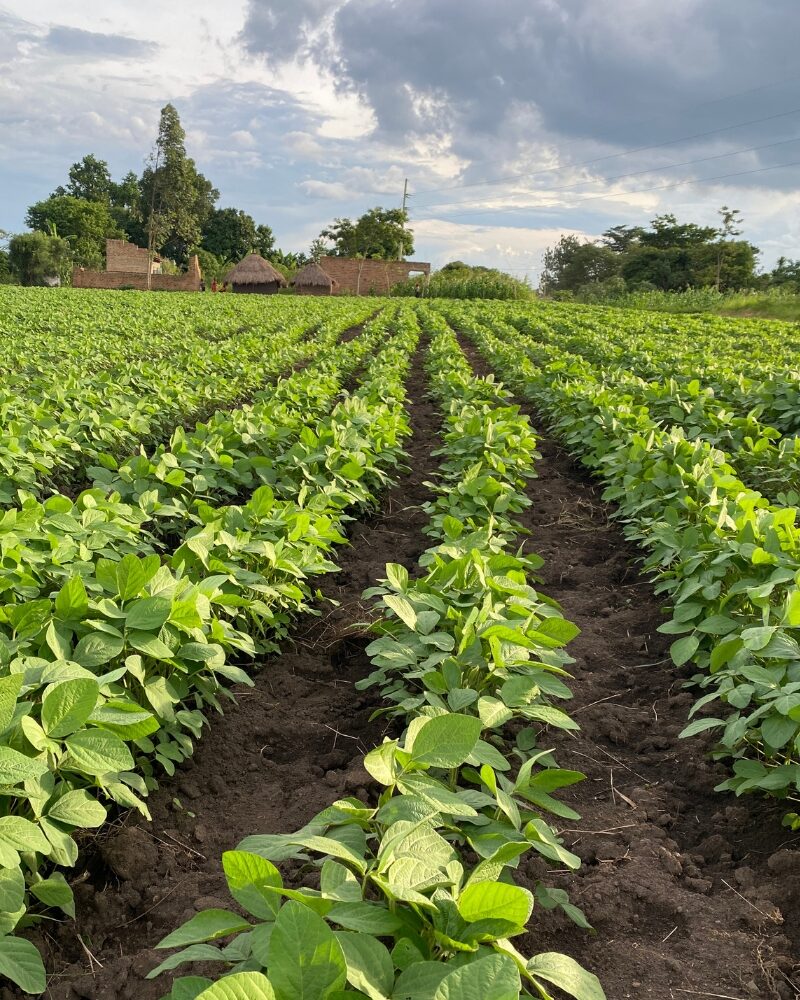
With a loan from ENCOT Microfinance—the first link in the soybean value chain—Francesca had enough capital up-front to purchase high quality, drought tolerant seeds from Soybean Africa, another local partner.
Francesca planted six acres of soybeans protected by crop insurance from ENCOT’s insurance partner. This insurance covered her against weather risk and production loss, giving her the freedom to fully commit to best practices rather than hedge her bets.
She learned these best practices from ENCOT’s agronomists, who provided continuous technical support throughout the production cycle. This included training on land preparation, recommended planting practices, pest and disease management, soil fertility management, and proper harvesting techniques. Regular field visits ensured that Francesca adopted Good Agricultural Practices (GAP), resulting in improved production and bean quality.
When it came time to harvest, Francesca didn’t have to worry about finding a buyer—she already had one guaranteed. What’s more, the price was guaranteed, too! That meant no middlemen, no bargaining, no stress.
Mount Meru—the next link on the value chain—picked up her 1,498 kg of produce and transported it to their facility for processing. When Francesca was paid, she settled her seed loan with ENCOT and was left with a sizable profit.
This increased income enabled Francesca to meet household expenses, improve food security, pay school fees, meet healthcare needs, and reinvest in the next production system. And that’s just what she did, nearly doubling her footprint from six to ten acres!
“Six acres this season, ten acres next,” Francesca said. “I saw what the system delivered and did not hesitate. When the market is certain and the support is real, the only right decision is to grow.”